






Emmanuel C. OGU, PhD FBCS CISSP FHEA AIGP PMP ISP CSM CSPO
Emmanuel C. OGU, PhD, FBCS, is a cybersecurity leader, educator, and mentor. His BCS Fellowship recognises over a decade of driving measurable, global impact across industry, academia, and professional volunteerism. Through his strategic leadership in digital technology consulting, professional capacity building, and higher education, he actively shapes cybersecurity capabilities and multi-sectoral enterprise resilience, even playing a key role in establishing a BSc. in Cybersecurity degree program. As a passionate advocate for ethical and trusted technology, he reckons that a BCS Fellowship isn't just recognition of past achievements, but living evidence of sustained leadership, meaningful contributions, and a deep commitment to advancing the IT profession globally.
Published August 2026
What does becoming a BCS Fellow mean to you personally and professionally, and how has the recognition impacted your career or credibility?
Becoming a Fellow of the BCS is happening at a time when I am on the path of a professional transition to another domain and jurisdiction of work within the global digital technology sector. For over a decade, I have worked in Cybersecurity as an Enterprise Consultant, Contractor, Trainer, Mentor, Practitioner, and Learner. This has seen me build a reputable global career in the technology industry, and I consider the FBCS status as an internationally recognized seal of endorsement for my careers' work. I wanted a community where I could enjoy meaningful support through the next phase of my career, even in a way that empowers me to continue giving back to an industry that I have richly benefitted from. BCS has become that to me, and the Fellowship rank is the precise empowerment that I needed. However, beyond validating the impact and reach of my work, the journey to the FBCS status has also afforded me an opportunity to reflect on my professional journey and reminisce on the landmarks and achievements that have punctuated this journey.
Can you share an example of the positive impact or change you’ve led in your organisation, industry, or community?
Coming from a background in the academia, I began a career in cybersecurity from ground zero. Having trained as a Computer Scientist, I desired a utopia wherein I could pursue my career within a scope that allowed my to directly synchronize my research, teaching, mentorship, and professional practice within an institutional landscape that coalesced perfectly around these crucial dimensions. A cybersecurity degree programme remained a fundamental missing piece on the path to the perfect point of coalescence for realising this desire, but none existed at the Institution where I worked at the time. Thus, I got involved at the front lines of bringing this to reality. From curriculum design to resource verification, mock accreditation, industry-alignment for the program, interim approval, and the journey to full accreditation, I had the opportunity of providing strategic perspective and direction towards birthing the BSc. Cybersecurity degree program at the academic institution where I currently work.
For someone unfamiliar with BCS, why would you recommend getting involved or working towards Fellowship?
The journey to becoming a Fellow is known to be very rigorous. This is a fact! However, this rigorous process is beneficial for two important reasons:
- I have seen tech professionals work so hard, create so much impact, but often forget to stop and smell the "roses" that have beautified the trails of their careers’ work. Working towards a BCS Fellowship will afford you an opportunity to perform this necessary reflection in a way that allows you "reach back to look ahead".
- It's okay to refer to yourself as whatever you like. That's Personal Branding. It's necessary. It's recommended. I do it and I teach it to my students and mentees. However, it's an entirely different ballgame when you must prove impact and pedigree to an independent panel of expert assessors who are only interested in measuring such impact and pedigree using well-defined metrics and indicators that can be rigorously, consistently, and independently verified. The journey to becoming a BCS Fellow will afford you a chance to introspect and re-validate who you are as a professional, in an evidence-based manner.
So, yes! Get involved with the BCS, and work towards Fellowship. You'll be glad you did.
What advice would you give to professionals considering applying for BCS Fellowship?
My advice is straightforward: don't let imposter syndrome talk you out of applying. Many professionals hesitate because they think a Fellowship is reserved strictly for tech pioneers or household tech names. At the Fellowship level, BCS is simply looking for a sustained record of leadership, impact, and a genuine commitment to making technology work for the good of society.
When you prepare your application, focus on your "why" and your accompanying narratives, not just a laundry list of job titles and descriptions. Shift from a mindset of what you did to how you led, influenced, and elevated the people and systems around you. Did you establish a new research group? Did you mentor next-generation tech talent, spearhead a critical cybersecurity framework, or champion diversity and ethics in your domain? That is the evidence that matters.
Lean into your unique footprint – whether it’s in academia, strategy, governance, or technical execution. Map your achievements clearly to the requirements of the BCS Fellowship criteria and see it as a reflective celebration of your careers’ journey and its milestones. If you are driving meaningful change in the tech ecosystem, you belong in the Fellowship. Just take that first step.
Why do you think trusted, ethical professionals are more important than ever in today’s tech landscape?
We’ve reached a point where technology isn't just supporting society. It’s actively rewriting the rules of how we live, work, and trust. With the rapid deployment of complex algorithms, automated decision-making, and escalating cybersecurity threats, our guardrails can't just be lines of code or reactive regulations. They must be deeply embedded in the people designing, deploying, and governing these systems.
When tech moves this fast, the potential for systemic bias, privacy erosion, and digital vulnerability multiplies exponentially. That’s why technical competence alone isn't enough anymore. We need professionals who view security, equity, and transparency not as compliance check-boxes to worry about later, but as foundational design principles from day one.
Being a trusted professional means having the courage to ask the hard questions before a system goes live: Who does this exclude? How could this be exploited? Is it truly resilient? Having that ethical anchor ensures we build a digital ecosystem that actually protects human dignity. Because, ultimately, technology is only as good as the intent and integrity of the people behind it. If we lose public trust, no amount of innovation can win it back.
What advice or inspiration would you give to someone considering a career in technology today?
My advice is to view technology not as a destination or a static set of tools, but as an expansive canvas for human problem-solving. Entering tech today means becoming a translator between human needs and digital possibilities. The real magic isn't found in mastering a specific programming language or a trending framework – those will inevitably change. The true value lies in developing a deeply analytical, adaptive mindset that looks at a broken, chaotic, or inequitable system and asks, "How can we restructure this to serve people better?"
You don't have to fit into a rigid, predetermined mould. Whether your intrinsic passion is digital rights, building resilient architectures, or designing ethical governance frameworks, the industry desperately needs your unique lens. Tech requires systemic thinkers, philosophers, and stewards just as much as it requires traditional coders.
Embrace the continuous learning curve as an exciting superpower rather than an intimidating obstacle. If you stay relentlessly curious, anchor your work in deep empathy, and focus on building systems that genuinely safeguard and elevate human experiences, you won't just navigate the future – you will actively shape it from the front-lines.
Connect with Emmanuel on LinkedIn
Visit his website
View his credentials
Become a BCS Fellow
Join the tech industry's most influential professionals in shaping a diverse, ethical, safe and innovative future.

TESTIMONIALS
What our members say
Being a fellow of the BCS is all about giving back, whether through thought leadership to influence and help shape the digital world or by helping nurture the next generation of IT digital professionals.

Rubi Kaur FBCS
I believe that the more diverse the voices within BCS and the IT sector the better for all of society. As a BCS Fellow I have the opportunity to raise the profile of our policy work and ensure that all voices are represented.
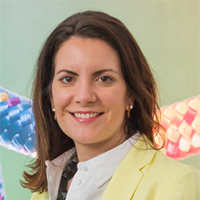
Rachel Steenson FBCS
The hallmark of professionalism is responsibility with accountability underpinned by competence and strong ethical disposition. These, invariably, are the intrinsic values exceptionally nurtured and exemplified by BCS.

Richard Amafonye FBCS
Honoured and chuffed to have been accepted as a BCS Fellow! Thank you for the warm welcome BCS, excited about getting involved and helping to ‘pay forward’...
Hema Purohit FBCS