







BCS Gender Diversity in the Tech Sector Report 2025
December 2025
Forewords
As we build the foundations of a new AI profession, we have an extraordinary opportunity, and responsibility, to make it truly representative of the society it serves. Artificial intelligence will shape our economy, our public services, and the way we live. But if the people designing, coding, and governing it do not reflect the full diversity of our country, we risk embedding bias into its very architecture.
This report makes the case clearly: we have a long way to go before women are equally represented in tech. Just one in five IT specialists are women, a figure that has barely shifted in a decade. We cannot talk about the future of AI without also talking about who builds it. Diversity is not a ‘nice to have’; it’s a competitive advantage. Teams that bring together different perspectives build fairer systems, innovate faster, and spot risks others miss. British AI must draw from the fullness of British talent if it is to reach its potential.
Through the work of the AI APPG, we are championing the idea of a professional framework for AI, one that values ethics, transparency, and inclusion as highly as technical skill. That framework must be inclusive from the start. The UK can lead the world in building an AI profession that is trusted, responsible, and open to everyone with the talent to contribute.
Let this report be a reminder: if we want AI to work for everyone, everyone must have a hand in shaping it.
Allison Gardner MP, Chair of the AI APPG
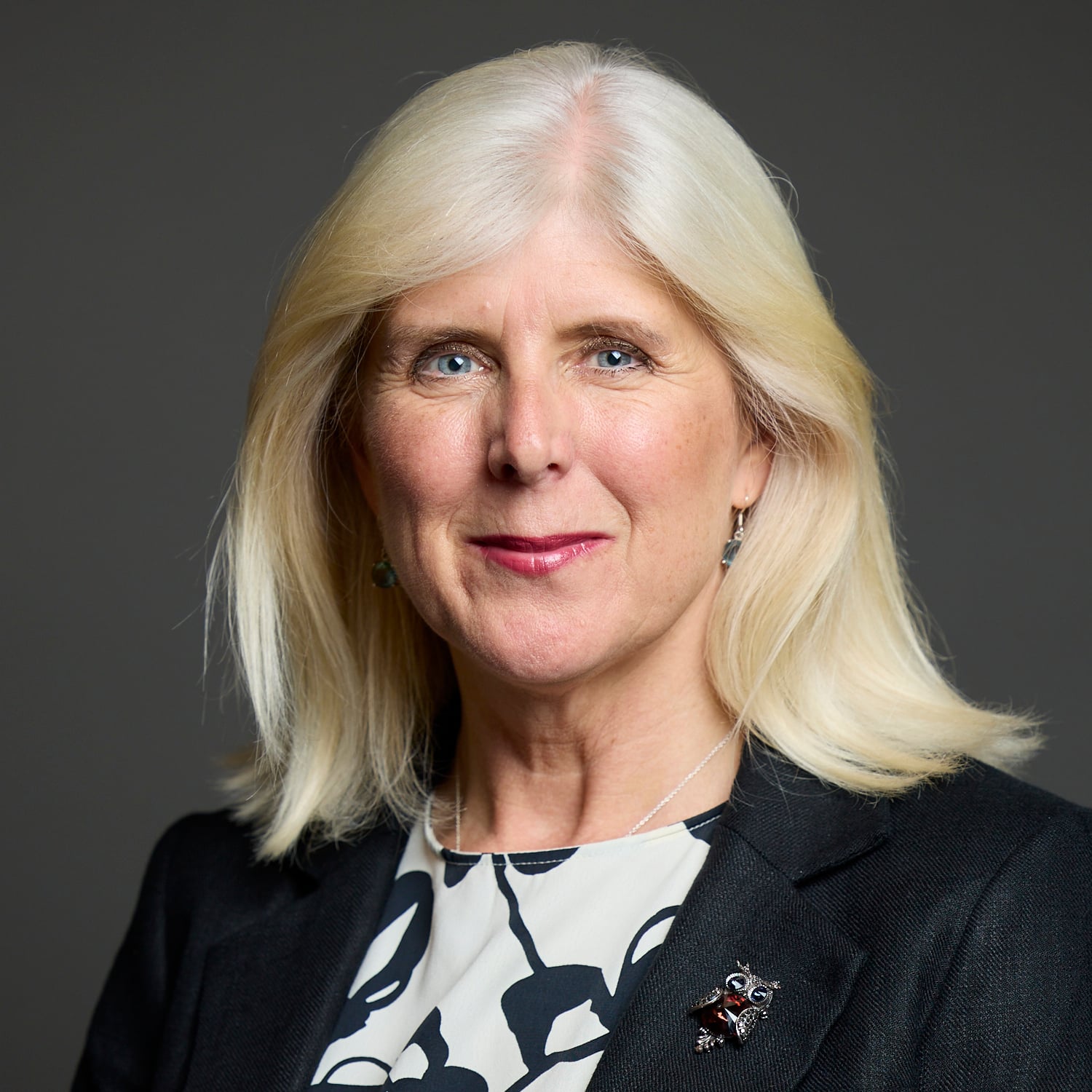
Every young woman who looks at the tech industry today should see a place where she belongs, but too often, she doesn’t. The data in this report shows why. Despite record demand for digital skills, women still make up barely a fifth of the UK’s tech workforce. That’s not just a problem of fairness; it’s a problem of wasted potential.
Technology drives everything , from how we deliver healthcare and police our streets, to how we learn, connect, and create. Yet too often the people shaping those tools come from the same narrow backgrounds. We cannot build inclusive, trustworthy technology on a foundation that excludes half the population. Change won’t happen by accident; it requires leadership, visibility, and a relentless focus on equality at every level, from classrooms to boardrooms.
That’s why the work that organisations like BCS does matters; by tracking the data and challenging complacency, they help us turn good intentions into measurable progress. But we need more than reports, we need action: better pathways into digital careers, flexible work that doesn’t penalise carers, and cultures where women are not just hired, but heard.
If we want the next generation of British innovators to reflect the brilliance and diversity of our country, we must act now. Because every girl who is told that tech isn’t for her is one less voice shaping our future, and we can’t afford that.
Samantha Niblett MP, Chair of the Interparliamentary Forum on Emerging Technologies, and Member of the Science, Innovation, and Technology Select Committee